About
The Montreal Heart Institute is currently conducting a large clinical trial, COLCOT-T2D, to determine whether an anti-inflammatory drug (colchicine) and an anti-platelet drug (aspirin), in combination or alone, can prevent cardiovascular events in patients with Type 2 diabetes who have never suffered a cardiovascular event.
By the end of the study, 10,000 Type 2 diabetic participants aged 55 to 80 years who have never had a cardiovascular event will have been recruited.
Participation in this research project involves taking the study drug daily, which is delivered to the participant’s home. Follow-ups every 6 months are carried out by telephone or video, without the need for a hospital visit.
Individual participation in this research project is estimated to be between 36 and 54 months. This duration will depend on when individual participation in the research project starts and when the study ends.
Background
Type 2 Diabetes
Diabetes is a chronic disease characterized by blood sugar levels that are above normal.
In Type 2 diabetes, the body is unable to produce enough insulin or to properly use the insulin it produces.
Insulin is a hormone produced by the pancreas that controls blood sugar. If you have Type 2 diabetes, sugar builds up in your blood instead of being used by your cells for energy.
Antihyperglycemic medications or insulin may be prescribed when lifestyle changes do not maintain normal blood glucose levels. These medications are in addition to good lifestyle habits.
Cardiovascular Disease
Cardiovascular disease is the leading cause of death and disability worldwide.
People living with Type 2 diabetes are two to three times more likely to develop cardiovascular disease.
Diabetes increases the risk of high blood pressure, narrowing of the arteries (atherosclerosis), coronary heart disease and stroke.
Atherosclerosis is the accumulation of fat (cholesterol) in the arteries.
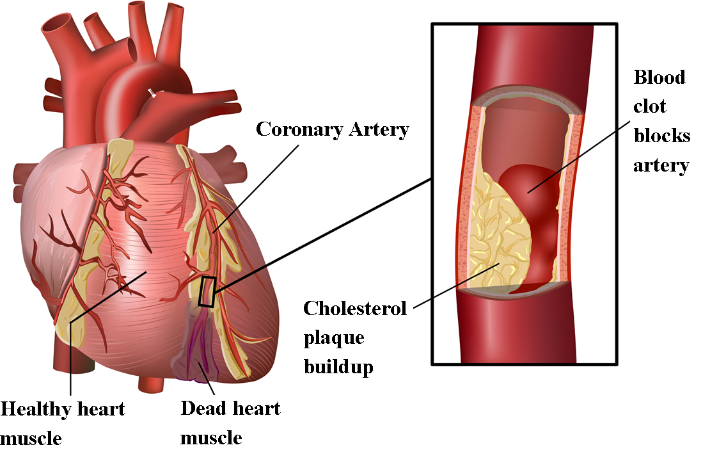
This buildup produces plaque that blocks the arteries, preventing blood from getting to the organs. If the plaque ruptures, a blood clot can form and potentially block a major artery.
Inflammation also seems to play an important role in both diabetes and atherosclerosis.
Clinical Research
Research allows the discovery of new treatments and the improvement of knowledge.
Clinical trial participants are major players in research.
Research can have risks and benefits, but it is first and foremost an act of generosity and altruism.
Research teams do their best to anticipate and prevent risks.
You are free to accept or decline to participate at any time without any consequences to your care.
Study Drug Evaluated in the COLCOT-T2D Study
COLCHICINE is an anti-inflammatory drug extracted from Colchicum autumnale. It has been used for many years in the treatment of inflammatory diseases such as gout. It is also marketed in Canada to reduce blood clots in patients with heart disease.
ASPIRIN is an anti-platelet medication that has been used for many years to reduce blood clots in patients with cardiovascular disease.